
M. Lin’s “The Memory Museum” Sits at the Intersection of the Political and the Personal
From the White Paper Protests to motherhood, the Beijing-Raised author discusses escaping censorship through her English-language debut
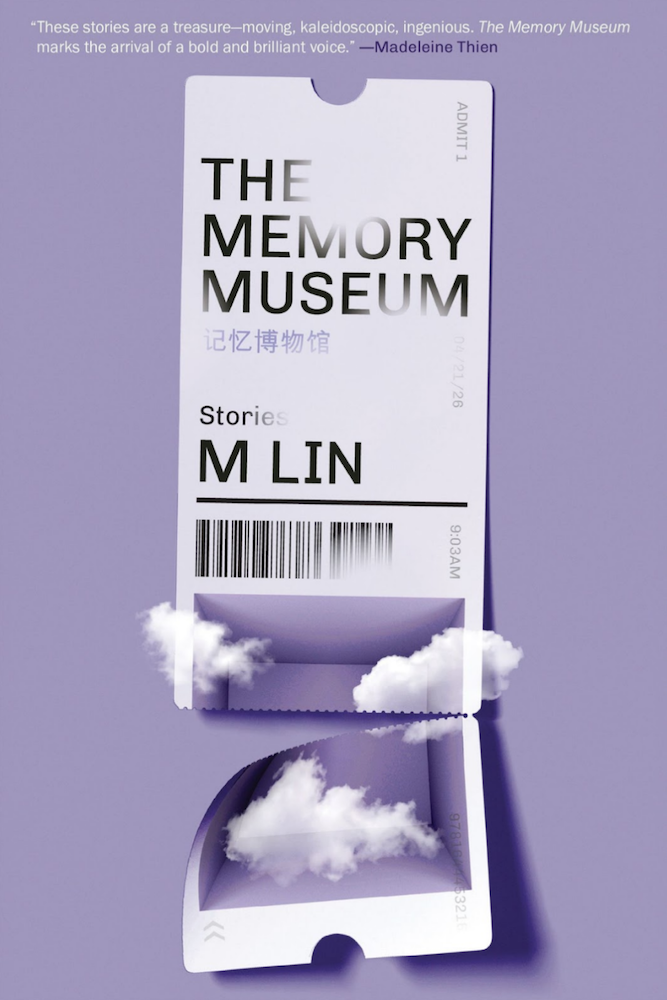
“The Memory Museum” book cover

When writer M. Lin introduces herself, she explains that she writes in her second language, English, but prefers to speak in her mother tongue, Mandarin.
This is a political choice. Lin recalls the intense government censorship that impacted her writing, even on a granular level. Simply put, the stories Lin wanted to tell wouldn’t get published in Chinese. Over time, Lin’s second language became a tool for advocacy.
“In English, I don't have any baggage,” she says. “It’s language that's a little further and more removed from me. I feel like I can be very clear-headed in that.”
Her upcoming short story collection, The Memory Museum, set for release in April 2026, encapsulates these political anxieties about translation and cultural and gender identity. Through stories, Lin explores the Chinese experience across the diaspora: from the White Paper Protests to a divorced couple’s last-ditch effort to bridge the gap in their political leanings.
The Memory Museum handles central Beijing with equal measures of compassion and criticism.
“I want to portray Beijing the way I experienced it,” explains Lin. “I think it's not so commonly seen in English language literature, because a lot of the English language literature about China is about the past. The Beijing I grew up in is contemporary, modern, and very diverse.”
Part of illuminating contemporary Chinese culture, however, is unpacking the oppressive censorship that burdens the country. In the story “Tough Egg”, a screenwriter describes working in the industry as a “dance with shackles” (155), a phrase regularly used to invoke the complexities of the creative industry under intense government surveillance.
Lin pulls from her own experience. After years of working as a screenwriter in the Chinese film industry, the laundry list of things she couldn’t say felt insurmountable. Government control permeated every step of the creative process; permits are required for finished screenplays, and then before the film can be distributed.
This also made researching political events exceedingly difficult. Writing against the backdrop of the White Paper Protests – in which students held up blank pieces of paper to represent all the things they couldn’t say – Lin said that reportage was sparse. Much of the information came from decentralized corners of the internet. Lin references one account disseminating protest information from Milan.
The Memory Museum is at its best at the intersection of the personal and political. In one story titled “Magic, or Something Less Assuring,” a Chinese couple, Ting and Sibo, travel to Morocco on an ill-fated divorce honeymoon. Ting is a relentless planner, Sibo an obedient follower. Their communication breakdown is an embodiment of what’s lost in translation. The couple struggles to parse through their feelings about China’s COVID policies in English, their second language.
Similarly, “Tough Egg” tactfully traverses the national struggle against censorship and a young woman’s internal battle with motherhood–a story that feels natural to Lin. It weaves the intimate journey of internal growth with a country straining against its strict constraints.
Women take center stage in Lin’s work, many of them contemplating what it means to be a mother in the modern world.
“Motherhood is in a lot of this book because it's on the top of my mind,” says Lin. “ I'm not a mother, but I'm constantly arguing with myself about whether the choice makes sense or not. It's also fundamentally something women in a certain age range are forced to think about.”
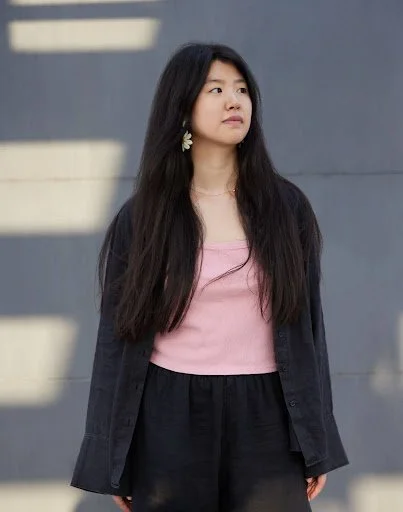
Photo of M. Lin
By the end of 2022, tensions, both nationally and for Lin personally, had risen to new levels. She remembers writing the short story collection through gritted teeth. COVID Zero policies made it impossible to see her family, and stories about government suppression were dying on impact.
Lin counters this feeling of hopelessness by concluding with the titular essay “The Memory Museum.” As systems of oppression work to squeeze the life out of us, Lin posits that finding moments of levity is a powerful tool of resistance.
“It's a voice of very stubborn joy,” she says of the narrator. “Despite everything, I want to be happy.”
The Memory Museum is available for preorder now.